Work stops waiting on one person.
The request reaches the right person with its history beside it, so your team stops chasing updates or rebuilding the same answer.
You know the part of the business everyone quietly works around.
If every approval waits in one inbox, people have to ask what happened last, or small problems only surface when they become expensive, the business is carrying too much in human memory. We build the part that remembers, follows through, and knows when to ask a person.

Clear limitsYour approvalA named personA visible record
We run Tenth Meridian this way ourselves.
See the whole company at work.
Watch the full film, which runs for 21 min 18 sec, here. You can also open the walkthrough and begin with the chapter or short case closest to your work. Every example says what is real, what is imagined, and where a person still decides.
Open the full walkthroughA good system should make the day feel lighter.
A good system gives your team its attention back. It remembers what changed, handles the routine follow-up, and brings the real decision into the open before it turns into a fire.
The request reaches the right person with its history beside it, so your team stops chasing updates or rebuilding the same answer.
Routine work keeps moving. If money, sensitive information, or a hard-to-undo choice is involved, it stops and asks a person.
When something goes wrong, it shows what happened, who needs to respond, and what is still unresolved.
We will tell you what is real.
Some examples below run inside Tenth Meridian today. We built others only to show how we would approach a problem. We label each one plainly so you never have to guess what is working now and what is still an idea.
 01
01This is how we publish.
A draft moves from research to writing, review, and release without one person having to remember every step.
 02
02This is how we test an idea.
We keep the research, the risks, and the result together so we can challenge an idea before we put more money behind it.
 03
03This example follows a shop.
This shop example shows how product changes, promotions, and orders can stay together while a manager still approves anything risky.
 04
04This example follows a delayed shipment.
This shipping example shows how a delay can be noticed early, reach the right person, and stay visible until the shipment is moving again.
 05
05This example follows a restaurant.
This restaurant example keeps service and stock problems visible while the manager still makes the calls that depend on what is happening in the room.
 06
06This example follows a support request.
In this support example, each request keeps its history, urgent cases reach a person, and a manager can step in before the customer has to repeat the whole story.
The Establishment
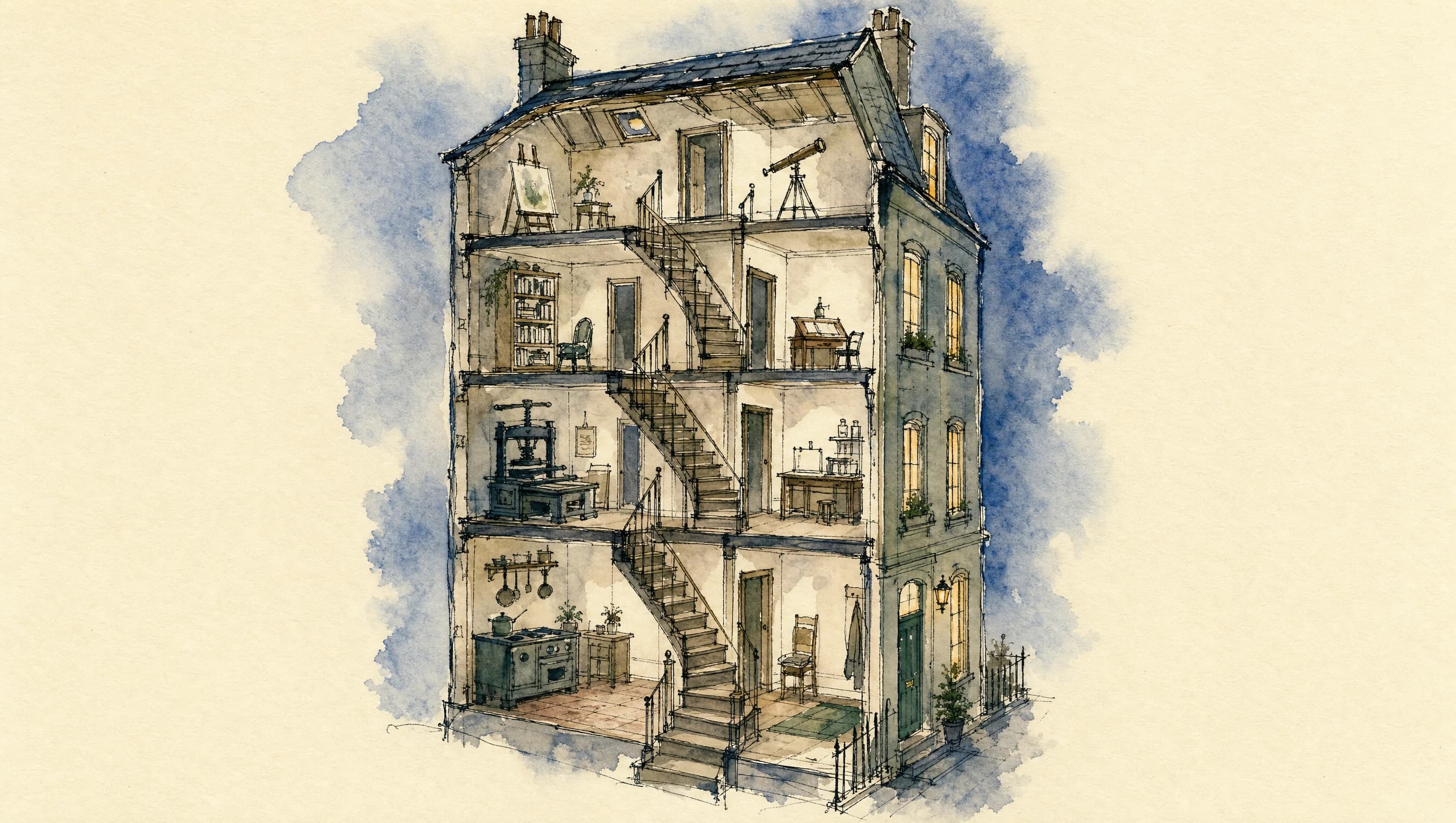
Tenth Meridian is not one project, it is an establishment: Commerce, quantitative research, and a growing set of businesses and projects underneath it. This is how a request finds the right division, keeps moving, and keeps a record of why each decision was made.
Working inside Tenth MeridianThe Archive
Every project across the establishment writes into one knowledge graph as work happens. An agent working here today, whether it is Claude, Codex, or anything else, can find what an agent working somewhere else in Tenth Meridian already learned.
Working inside Tenth MeridianThese examples show how we think. They do not borrow credibility we have not earned. We will only call something client work after the client approves the story and the work can speak for itself.
See what each label meansYour team stays in control.
Before anything goes live, we agree on what it may spend, when it must ask, who responds if something breaks, and how you can see the whole story.
It cannot spend more than you approved.
Money, sensitive information, or anything hard to undo stops and asks.
A named person sees what broke and knows what happens next.
The notes, decisions, and actions stay beside the work.
How we price the work.
We start with the problem, the risk, and what a useful first version needs to prove. You see the scope before you pay for a giant system.
You do not need to guess the whole project before we begin. We find the right first step together.
We sit with the people doing the work and find where time disappears, information gets lost, or one person has to remember everything.
We build in small pieces you can see and question. You always know what changed, what works, and what still needs attention.
If you want us to stay after launch, we watch it with you and keep improving it without taking decisions away from your team.
Start with the rough version.
You do not need a polished brief. Tell us what people keep chasing, remembering, or quietly working around. We will give you an honest first read, even if the answer is something simpler than a new system.